
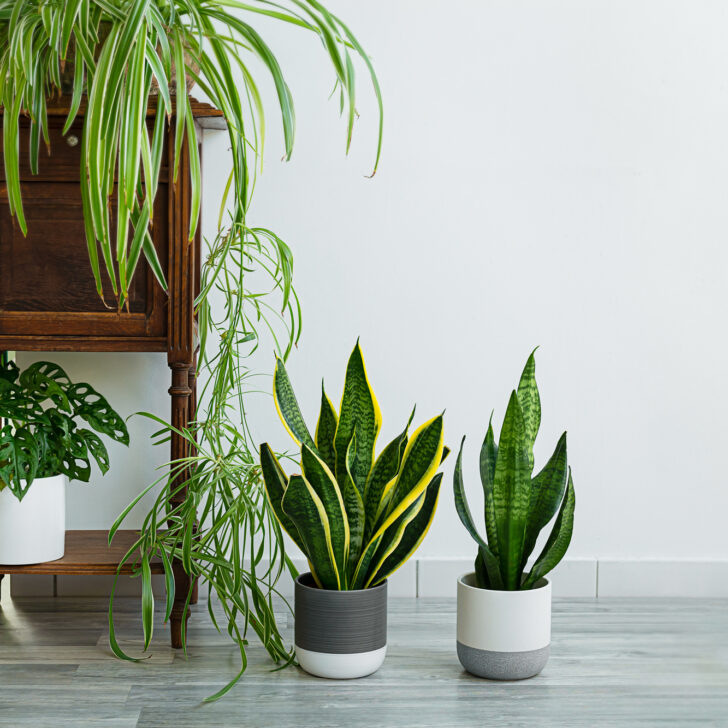
The allure of houseplants extends far beyond their aesthetic appeal. Indoor greenery not only enhances the visual appeal of our living spaces but also contributes to improved air quality and overall well-being. For those just venturing into the world of indoor gardening, the key to a successful start lies in selecting houseplants known for their resilience. In this comprehensive guide, we’ll explore the benefits of cultivating hardy houseplants and introduce you to the top 12 plants that not only survive but thrive with minimal effort.
Benefits of Growing Hardy Houseplants
The benefits of cultivating houseplants go beyond the simple joy of having green companions in our homes. Choosing hardy houseplants offers distinct advantages, especially for beginners:
- Increased Chances of Success for Beginners: Hardy houseplants are forgiving of occasional lapses in care, making them ideal for those new to indoor gardening.
- Improved Air Quality and Well-being: Many hardy houseplants are known for their air-purifying qualities, contributing to a healthier indoor environment and enhancing overall well-being.
- Enhancing Home Decor with Low-maintenance Greenery: The versatility of hardy houseplants makes them suitable for various living spaces, providing an easy way to elevate home decor without extensive maintenance.
Factors to Consider for Hardy Houseplants
When selecting houseplants, especially for beginners, it’s crucial to consider certain factors that contribute to their hardiness:
- Tolerance to Different Light Conditions: Hardy houseplants should be adaptable to various light levels, making them versatile enough to thrive in different corners of your home.
- Low Maintenance Requirements: These plants should have minimal care requirements, allowing beginners to enjoy the benefits of indoor gardening without feeling overwhelmed.
- Ability to Withstand Occasional Neglect: Life gets busy, and even the most dedicated plant parent may occasionally forget to water or check on their plants. Hardy houseplants can endure such lapses in care.
Top 10 Hardest Houseplants to Kill
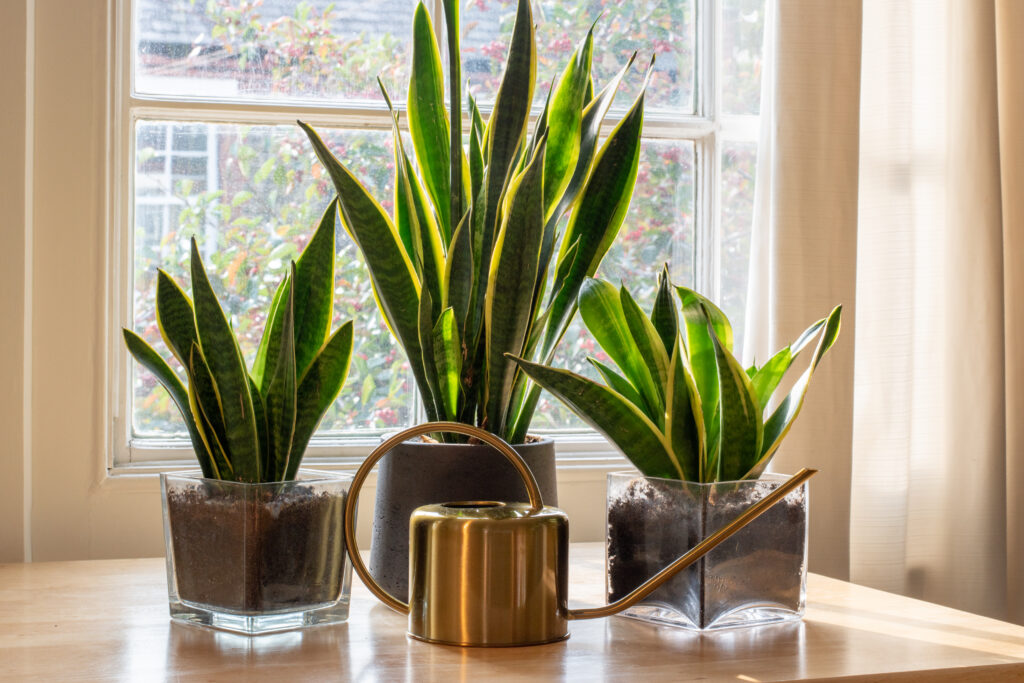
Snake Plant (Sansevieria)
- Thrives in low light and is drought-tolerant
- Excellent air-purifying qualities
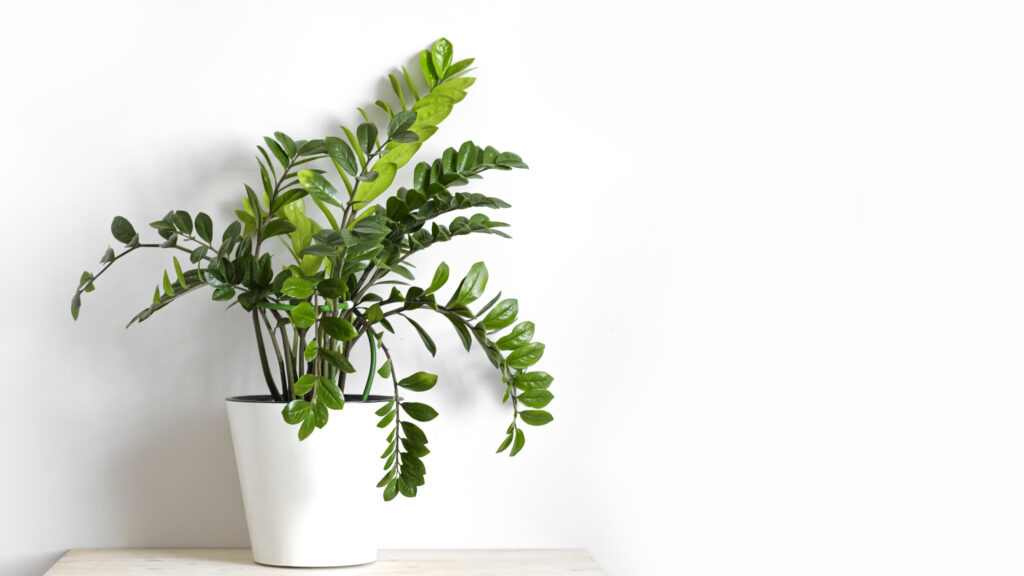
ZZ Plant (Zamioculcas zamiifolia)
- Tolerant of low light and infrequent watering
- Resilient to various environmental conditions
Pothos (Epipremnum aureum)
- Versatile and adaptable to different light levels
- Thrives with minimal care and occasional neglect

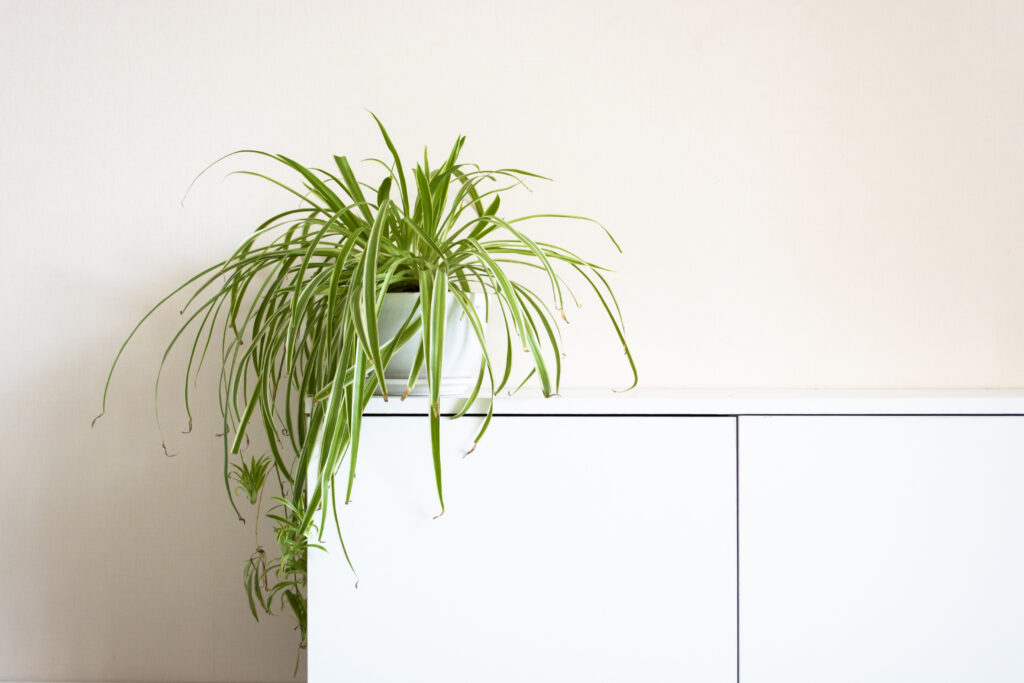
Spider Plant (Chlorophytum comosum)
- Air-purifying and produces offshoots easily
- Can endure low to moderate light conditions
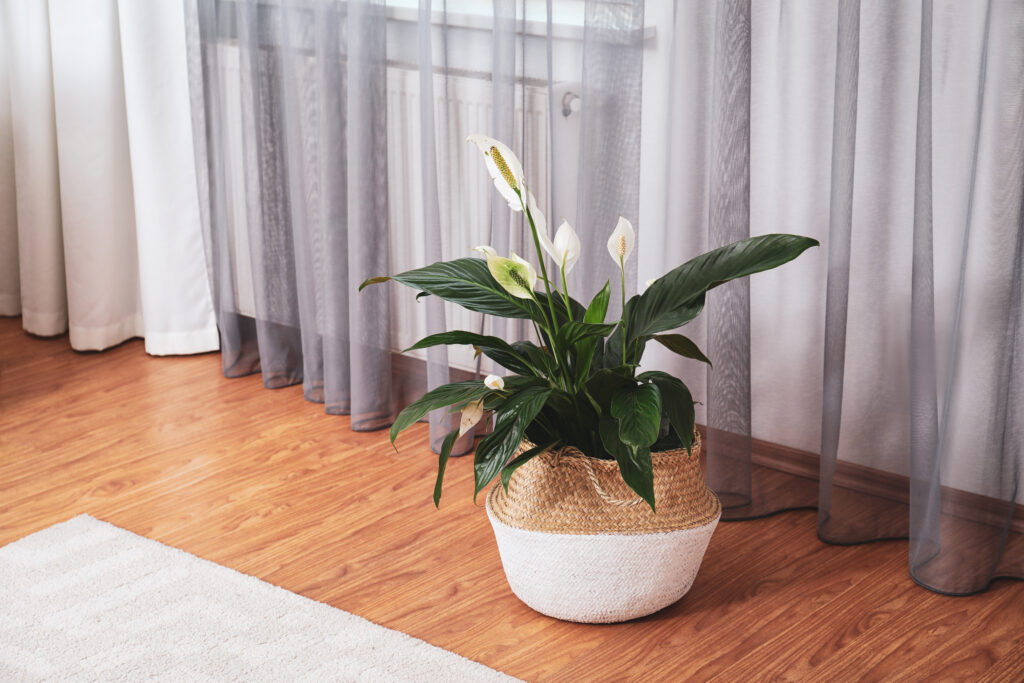
Peace Lily (Spathiphyllum)
- Elegant and air-purifying
- Tolerant of low to moderate light and infrequent watering
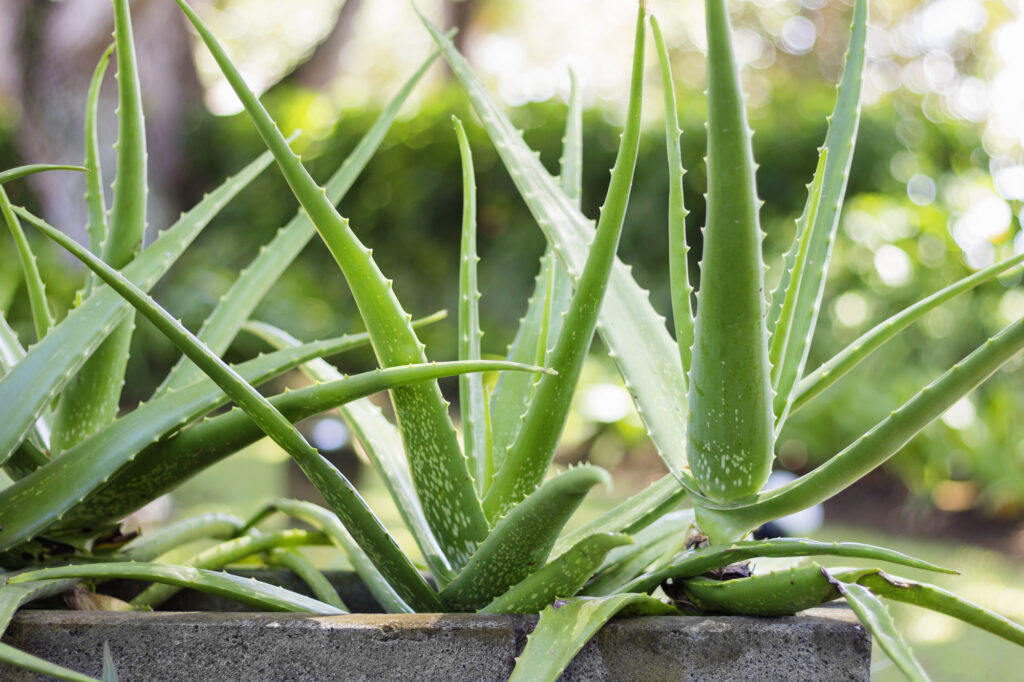
Aloe Vera
- Succulent with medicinal properties
- Requires minimal watering and sunlight
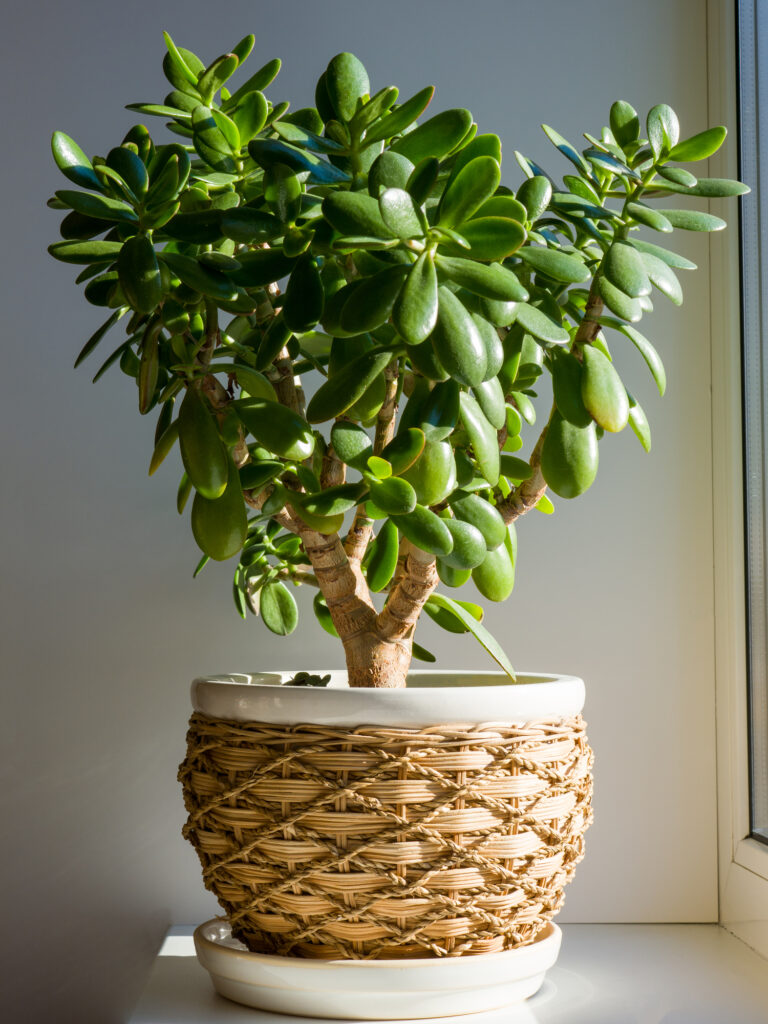
Jade Plant (Crassula ovata)
- Drought-tolerant and compact
- Stylish addition with small, thick leaves
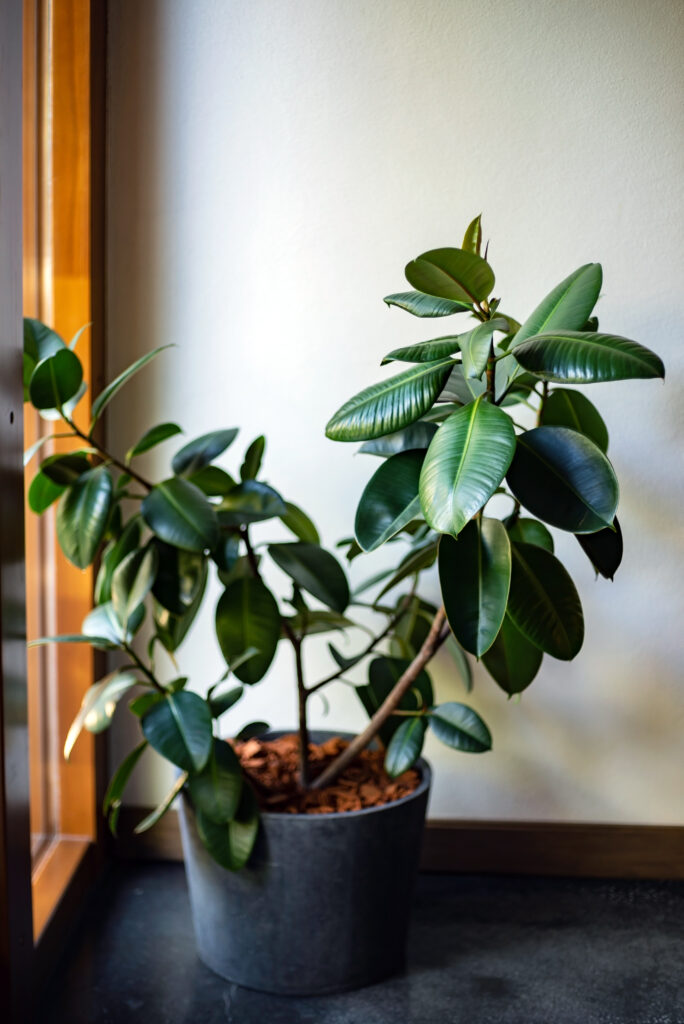
Rubber Plant (Ficus elastica)
- Adaptable to various light conditions
- Glossy, dark green leaves and low maintenance
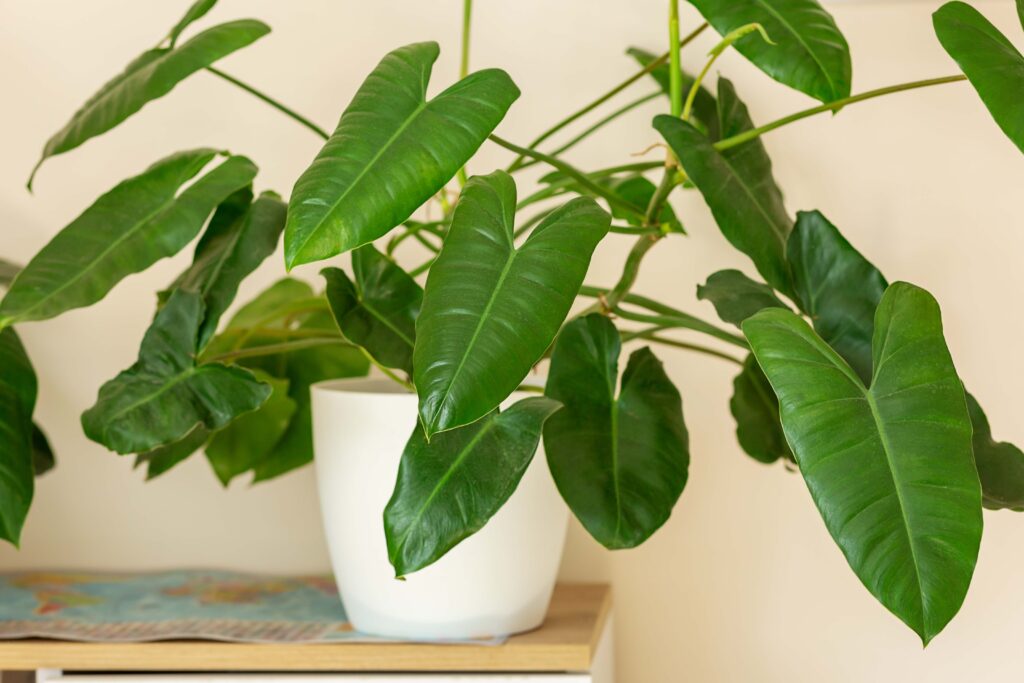
Philodendron
- Heart-shaped leaves and tolerant of indirect light
- Easy to care for and propagate
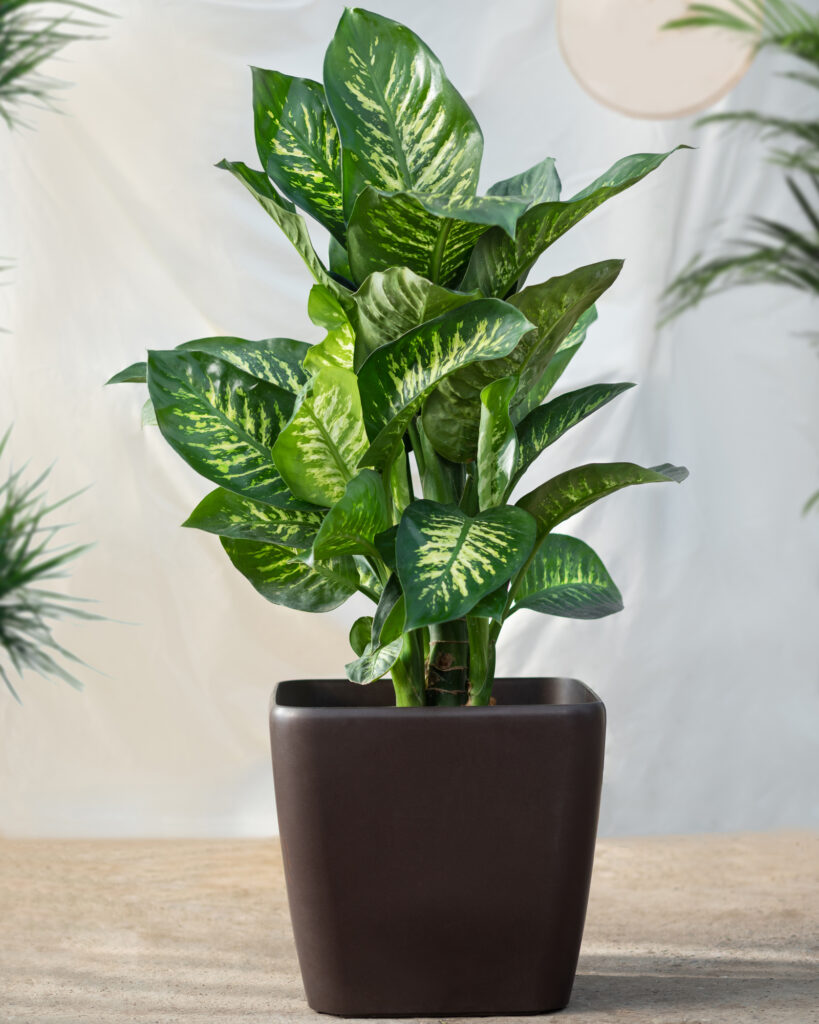
Dieffenbachia (Dumb Cane)
- Vibrant foliage and adaptable to low light
- Requires moderate watering and well-draining soil
Care Tips for Hardy Houseplants
Caring for hardy houseplants is a straightforward process, but understanding their specific needs is crucial. Here are some care tips to ensure your plants thrive:
- Proper Watering Practices: Adjust your watering frequency based on the specific needs of each plant, allowing the soil to dry out between waterings.
- Choosing the Right Soil and Containers: Opt for well-draining soil and containers with drainage holes to prevent waterlogged conditions, promoting healthier root systems.
- Recognizing Signs of Stress and Addressing Issues Promptly: Regularly inspect your plants for any signs of stress, such as yellowing leaves or stunted growth, and take corrective action promptly.
Common Mistakes to Avoid
Even with hardy houseplants, certain pitfalls should be avoided to ensure their continued well-being:
- Overwatering: Reduce watering frequency, especially in low light conditions, to prevent overhydration, which can lead to root rot.
- Using Soil That Retains Too Much Moisture: Select well-draining soil to prevent waterlogged conditions, as this can impact the health of your plants.
- Ignoring Signs of Plant Stress: Stay attentive to your plants and address any signs of stress promptly, such as wilting or discoloration.
Creative Display Ideas for Hardy Houseplants
Enhance the aesthetic appeal of your living spaces with creative display ideas for hardy houseplants:
- Utilizing Decorative Planters and Pots: Choose decorative planters and pots that complement your home decor, turning your plants into stylish additions to any room.
- Grouping Plants with Similar Care Requirements: Create visually cohesive arrangements by grouping plants with similar care preferences, making it easier to provide consistent care.
- Incorporating Greenery into Different Living Spaces: Bring the outdoors inside by strategically placing houseplants in various living spaces, from bedrooms to kitchens, to create a harmonious and inviting atmosphere.
Troubleshooting Tips for Common Issues
Even the hardiest houseplants may face challenges. Here’s how to troubleshoot common issues:
- Addressing Pests and Diseases: Regularly inspect your plants for pests and diseases, and treat any issues promptly to prevent them from spreading.
- Adjusting Care Routine Based on Plant Response: Pay attention to how your plants respond to their environment and adjust your care routine accordingly. For example, if leaves are turning yellow, it might indicate overwatering.
- Seeking Guidance from Experienced Plant Enthusiasts: Don’t hesitate to seek advice from experienced plant enthusiasts, whether through online forums or local gardening communities, to gain insights into specific plant care needs.
The world of hardy houseplants offers a gateway to successful and fulfilling indoor gardening. From the resilient Snake Plant to the stylish Rubber Plant and the adaptable ZZ Plant, these carefully selected green companions not only survive but thrive with minimal effort. By understanding the unique needs of each plant and following thoughtful care practices, you can create a thriving indoor garden that not only enhances your living spaces but also provides a sense of accomplishment and connection to nature. So, dive into the world of hardy houseplants, cultivate your green oasis, and witness the joy of successful indoor gardening. Happy house planting!