

In the delicate balance of creating a pet-friendly home while nurturing our love for indoor plants, finding the right green companions becomes crucial. In this guide, we’ll explore the symbiotic relationship between houseplants and pets, emphasizing the importance of selecting plants that are not only visually appealing but also safe for our furry friends. From the benefits of pet-friendly houseplants to the top 15 choices, care tips, and creative display ideas. This comprehensive blog post aims to be your go-to resource for cultivating a harmonious environment for both plants and pets.
Benefits of Pet-Friendly Houseplants
Having houseplants in a pet-friendly home offers a myriad of benefits, contributing to the overall well-being of both humans and animals:
- Enhancing Indoor Air Quality for Pets: Many pet-safe houseplants act as natural air purifiers, improving the quality of the air your pets breathe.
- Positive Impact on Pet Well-being: The presence of greenery has been linked to reduced stress and increased overall happiness in pets.
- Adding a Touch of Nature to the Pet-Friendly Home: Houseplants not only beautify indoor spaces but also create a calming and natural atmosphere for pets and their owners.
Factors to Consider for Pet-Safe Houseplants
When selecting houseplants in a pet-friendly home, it’s essential to consider specific factors that ensure the well-being of your furry companions:
- Non-Toxicity to Common Pets: Ensure that the chosen plants are safe for cats, dogs, and small animals, as some plants can be harmful if ingested.
- Low Maintenance Requirements: Opt for plants that are easy to care for, making it convenient for both busy pet owners and those new to plant parenting.
- Adaptability to Various Indoor Environments: Choose plants that can thrive in different lighting conditions and indoor environments to accommodate your home’s specific setup.
Top 15 Houseplants Safe for Pets

- Spider Plant (Chlorophytum comosum)
- Air-purifying qualities and safe for cats and dogs
- Easy to care for and produces offshoots
- Areca Palm (Dypsis lutescens)
- Non-toxic to pets and adds a tropical touch
- Requires moderate sunlight and well-draining soil
- Boston Fern (Nephrolepis exaltata)
- Safe for pets and contributes to air humidity
- Thrives in indirect light and moist soil
- Calathea (Various Species)
- Pet-friendly and known for vibrant foliage patterns
- Requires moderate to low light and consistent moisture
- Bamboo Palm (Chamaedorea seifrizii)
- Non-toxic to pets and an excellent air purifier
- Adapts to different light conditions
- African Violet (Saintpaulia)
- Pet-safe with charming, colorful blooms
- Prefers indirect light and well-draining soil
- Peperomia (Various Species)
- Safe for pets and features diverse leaf shapes
- Thrives in low to moderate light conditions
- Air Plants (Tillandsia)
- Pet-friendly and requires no soil
- Adaptable to various indoor environments
- Parlor Palm (Chamaedorea elegans)
- Non-toxic to pets and easy to care for
- Thrives in low to moderate light conditions
- Succulents (Various Species)
- Pet-safe with unique shapes and colors
- Requires well-draining soil and bright light
- Basil (Ocimum basilicum)
- Safe for pets and serves as a culinary herb
- Requires sunlight and well-draining soil
- Polka Dot Plant (Hypoestes phyllostachya)
- Pet-friendly and adds a pop of color
- Prefers bright, indirect light and consistent watering
- Cast Iron Plant (Aspidistra elatior)
- Non-toxic to pets and resilient in low light
- Tolerates neglect and infrequent watering
- Zebra Plant (Haworthiopsis attenuata)
- Pet-safe and features striking zebra-like patterns
- Thrives in bright, indirect light
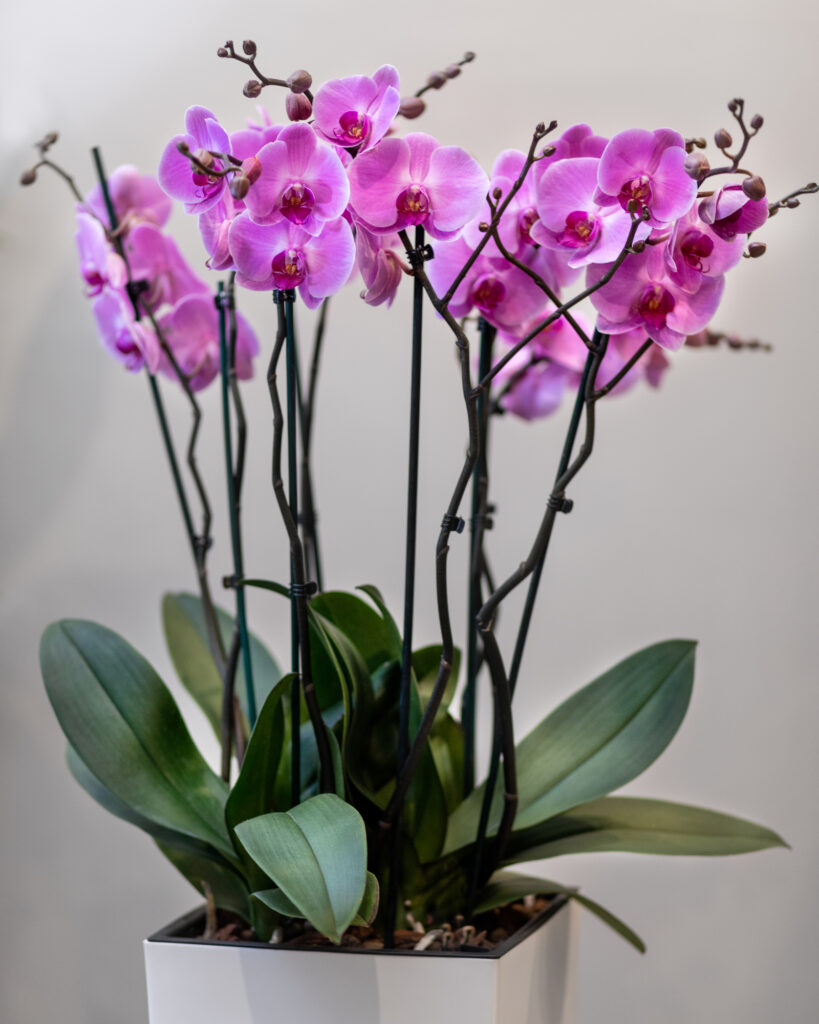
- Moth Orchid (Phalaenopsis)
- Safe for pets and offers elegant blooms
- Requires bright, indirect light and proper orchid care

Care Tips for Pet-Safe Houseplants
Ensuring the well-being of your pet-safe houseplants involves understanding their specific needs. Here are some care tips to keep both your plants and pets thriving:
- Proper Watering Practices: Adjust your watering frequency based on the specific needs of each plant, allowing the soil to dry out between waterings.
- Choosing the Right Soil and Containers: Opt for well-draining soil and containers with drainage holes to prevent waterlogged conditions, promoting healthier root systems.
- Monitoring for Signs of Plant Stress or Pet Interference: Regularly inspect your plants for any signs of stress, such as yellowing leaves or stunted growth. And ensure that your pets aren’t showing any signs of discomfort around the plants.
Common Mistakes to Avoid
Even with pet-safe houseplants, certain mistakes can impact their well-being. Here are some pitfalls to avoid:
- Overwatering, Especially in Low Light Conditions: Reduce watering frequency, especially in low light conditions, to prevent overhydration, which can lead to root rot.
- Using Toxic Fertilizers or Pesticides: Choose pet-safe fertilizers and avoid using pesticides that could be harmful to your pets.
- Ignoring Signs of Pet Allergies or Discomfort: Pay attention to your pets’ behavior around plants. Seek veterinary advice if you notice any signs of allergies or discomfort.
Creative Display Ideas for Pet-Safe Houseplants
Elevate the visual appeal of your home while keeping your pets safe with creative display ideas for pet-friendly houseplants:
- Utilizing Pet-Friendly Planters and Pots: Choose decorative planters and pots that are safe for pets, preventing them from accessing the soil.
- Creating Designated Pet-Friendly Plant Zones: Designate specific areas for your pet-safe houseplants, making it easier to monitor and care for them.
- Incorporating Greenery into Pet Play Areas: Integrate pet-safe plants into your pets’ play areas, providing a natural and enriching environment for them.
Troubleshooting Tips for Common Issues
Even with pet-safe houseplants, challenges may arise. Here’s how to troubleshoot common issues:
- Addressing Pests or Diseases Promptly: Regularly inspect your plants for pests and diseases, and treat any issues promptly to prevent them from spreading.
- Adjusting Care Routine Based on Plant and Pet Responses: Pay attention to how your plants and pets respond to their environment and adjust your care routine accordingly.
- Seeking Guidance from Veterinarians for Specific Pet Concerns: If you have specific concerns about your pets and certain houseplants, consult with your veterinarian for personalized advice.

Cultivating a pet-friendly home with the addition of houseplants is not only possible but also highly rewarding. From the playful Spider Plant to the elegant Moth Orchid, these carefully selected pet-safe houseplants can coexist harmoniously with your furry friends. By understanding their unique needs and following thoughtful care practices, you can create an environment that promotes both the well-being of your pets and the aesthetic charm of your living spaces. So, embark on this green journey, surround yourself with the beauty of nature, and let your pets and plants thrive together. Happy house planting!