
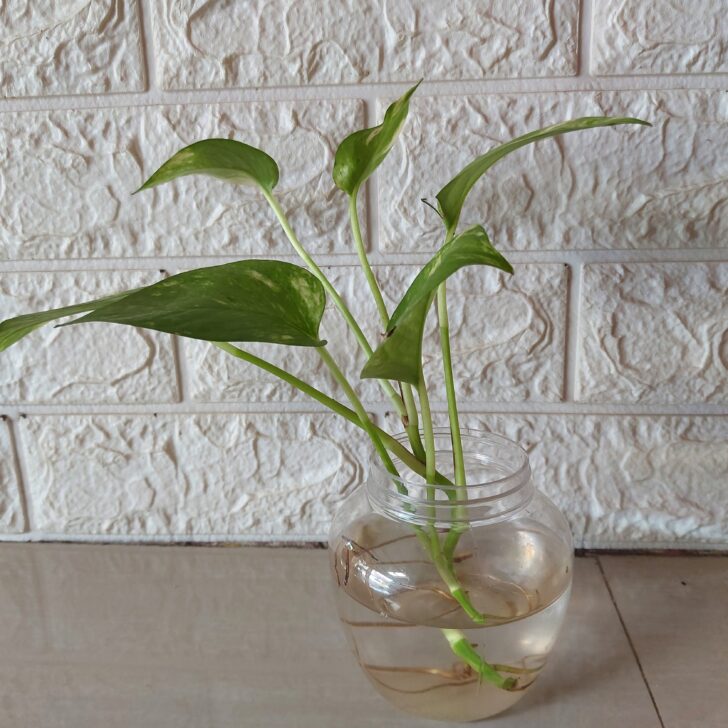
Indoor gardening has taken a delightful twist with the practice of growing houseplants in water. The allure of watching roots develop and thrive without soil is not only fascinating but also opens up new possibilities for cultivating greenery in our homes. In this guide, we’ll explore the wonders of water propagation and introduce you to five houseplants that not only tolerate but flourish when grown in water. From the elegant Lucky Bamboo to the resilient Spider Plant, these aquatic companions bring a touch of hydro harmony to your indoor spaces.
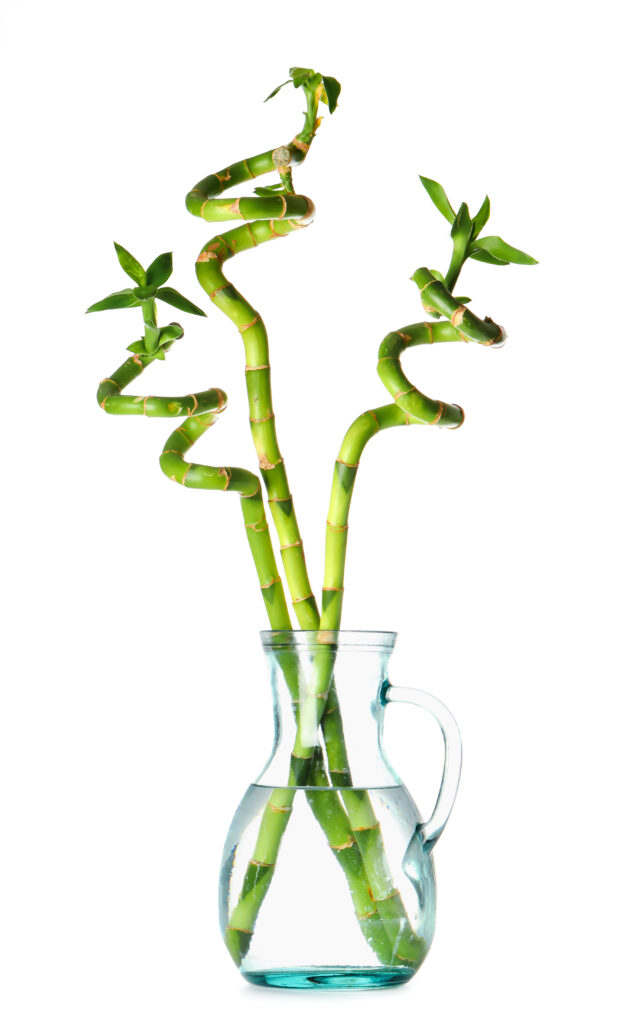
1. Lucky Bamboo (Dracaena sanderiana)
Introduction to Lucky Bamboo
Lucky Bamboo, despite its name, is not a bamboo at all but a member of the Dracaena family. Its sleek, upright stems and vibrant greenery make it a popular choice for water propagation.
Water Propagation Process
- Select a healthy Lucky Bamboo shoot with at least one node.
- Place the cutting in a container with water, ensuring the node is submerged.
- Change the water every two weeks to keep it fresh and prevent stagnation.
- Roots will develop over time, and the plant can be transferred to decorative containers.
Tips for Care and Maintenance
- Lucky Bamboo prefers indirect light but can tolerate low light conditions.
- Maintain the water level to cover the nodes without submerging the entire stem.
- Use filtered or distilled water to prevent the buildup of minerals.
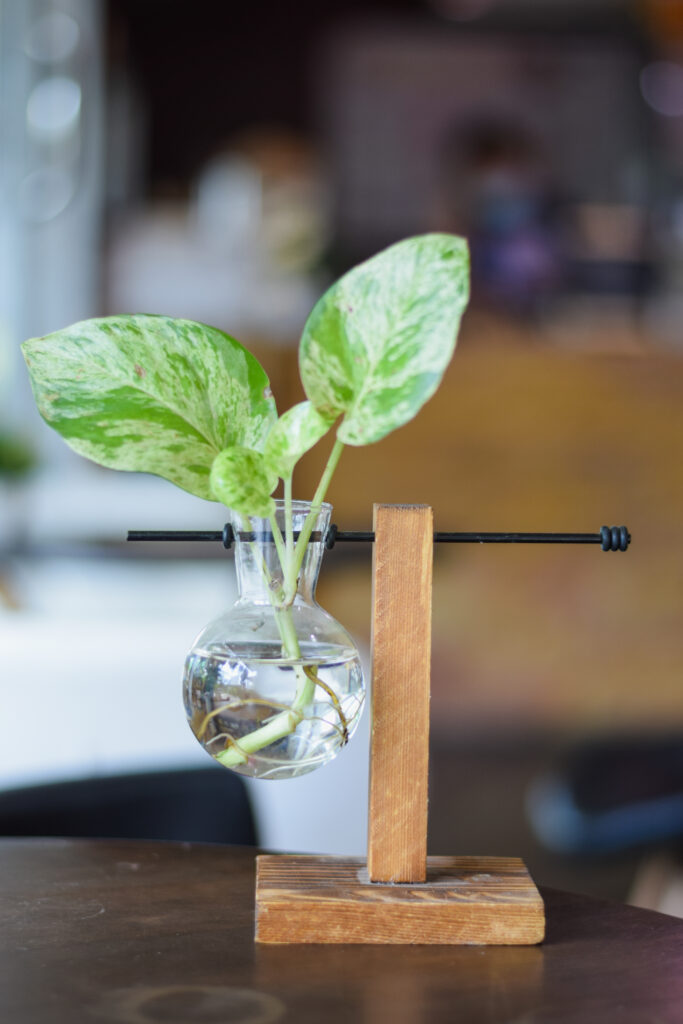
2. Pothos (Epipremnum aureum)
Overview of Pothos
Pothos, also known as Devil’s Ivy, is celebrated for its resilience and adaptability. Growing it in water is an excellent way to showcase its trailing vines.
Water Propagation Steps
- Take a healthy Pothos cutting with several inches of stem.
- Place the cutting in a jar or vase with enough water to cover the nodes.
- Change the water every few weeks to maintain clarity and prevent bacterial growth.
- Once roots are a few inches long, transplant the cutting into soil or continue growing in water.
Ideal Conditions for Growth
- Pothos thrives in moderate to low light conditions.
- Ensure the cutting receives indirect sunlight for a few hours each day.
- Use a clear container to observe root growth and water quality.

3. Spider Plant (Chlorophytum comosum)
Introduction to Spider Plant
Known for its arching leaves and spider-like offsets, the Spider Plant is not only visually appealing but also easy to propagate in water.
Water Propagation Method
- Choose a healthy Spider Plant pup with visible roots.
- Place the pup in a container with water, ensuring roots are submerged.
- Change the water regularly to prevent stagnation and ensure optimal root development.
- Once roots are well-established, the pup can be potted in soil or left to grow in water.
Common Challenges and Solutions
- Spider Plants may develop brown tips due to fluoride or chlorine in tap water; use distilled water.
- Ensure the water level is sufficient to cover the roots but not the entire plant.
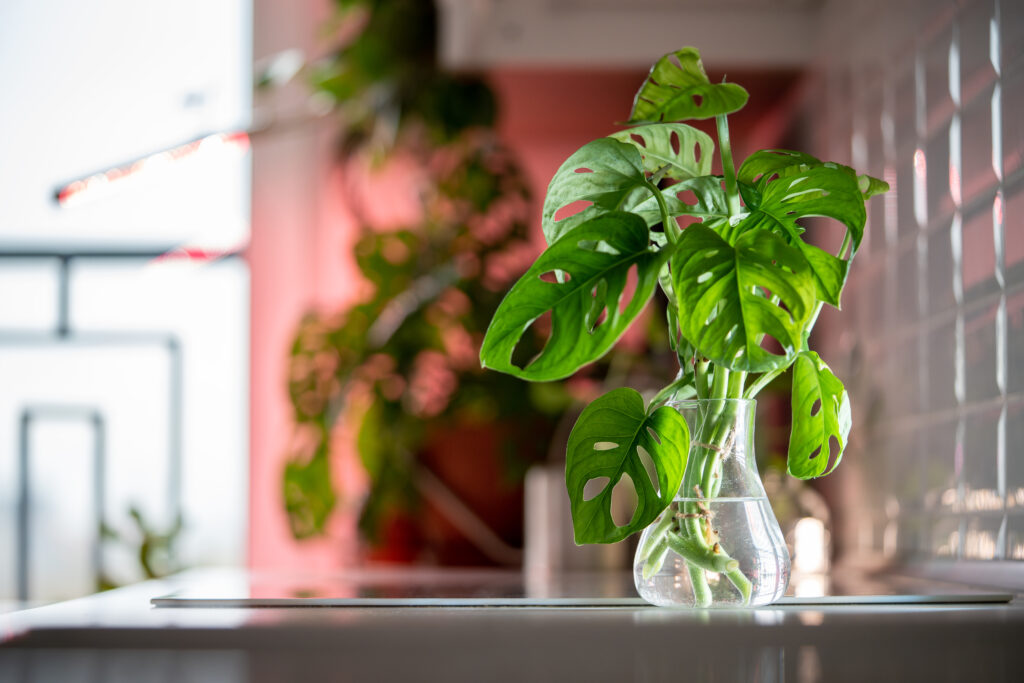
4. Philodendron (Philodendron cordatum)
Overview of Philodendron
Philodendrons are admired for their heart-shaped leaves and air-purifying qualities. Growing them in water is a straightforward and rewarding experience.
Steps for Growing in Water
- Select a healthy Philodendron cutting with at least one node.
- Place the cutting in a jar or vase, ensuring the node is submerged in water.
- Change the water every few weeks to maintain clarity and prevent odors.
- Once roots are established, the Philodendron can be transplanted into soil or continue growing in water.
Philodendron Varieties Suitable for Water Propagation
- Heartleaf Philodendron (Philodendron hederaceum) and Brasil Philodendron (Philodendron hederaceum ‘Brasil’) are excellent choices for water propagation.
- Philodendron Micans with its velvety leaves can also thrive in water.
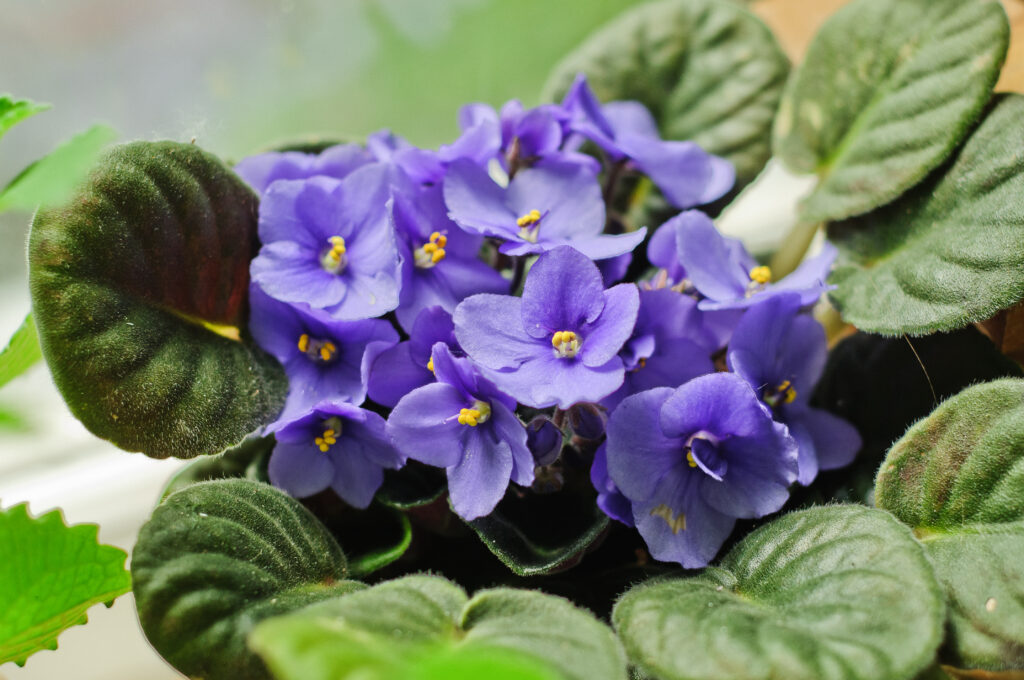
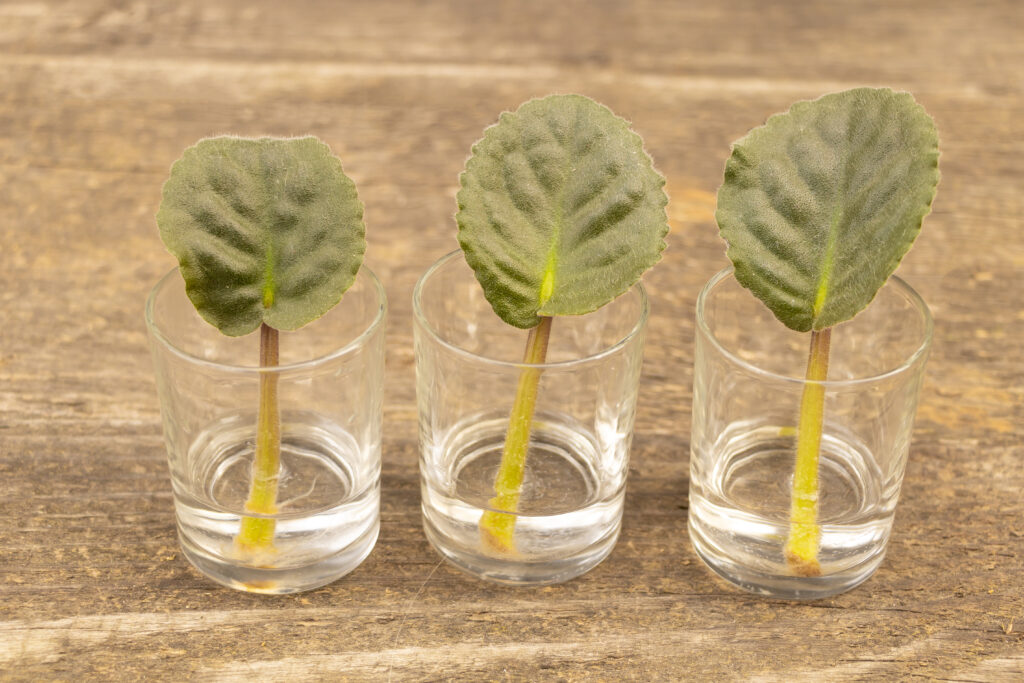
5. African Violet (Saintpaulia)
Introduction to African Violet
African Violets are cherished for their delicate, colorful blooms. While traditionally grown in soil, they can adapt well to water propagation.
Water Propagation Technique
- Select a healthy African Violet leaf with a petiole.
- Place the leaf in a container with water, ensuring the petiole is submerged.
- Change the water regularly to prevent bacterial growth and maintain clarity.
- Once roots and tiny leaves appear, transplant the cutting into soil or continue growing in water.
Care Tips for Vibrant Blooms
- African Violets prefer bright, indirect light but can tolerate lower light conditions.
- Use a balanced, water-soluble fertilizer to encourage blooming.
- Maintain a consistent watering routine, ensuring the soil remains evenly moist.
Conclusion
In conclusion, the world of hydro harmony offers a captivating and rewarding journey for indoor gardeners. Experimenting with water propagation not only allows you to witness the magic of root development but also provides an alternative way to cultivate your favorite houseplants. From the elegant Lucky Bamboo to the resilient Spider Plant, the adaptable Pothos, the versatile Philodendron, and the delicate African Violet, each of these plants adds a unique touch to your indoor oasis. Embrace the simplicity and beauty of growing houseplants in water, and let your hydro harmony flourish. Happy growing!